


















Odia Asmita reflects Odisha’s linguistic pride, cultural heritage, history, and identity, shaping social consciousness, politics, and everyday life
Bhaskar Parichha
Odia Asmita (ଓଡ଼ିଆ ଅସ୍ମିତା) can be understood as “Odia pride” or “Odia identity.” It represents the collective self-respect, cultural awareness, and pride of the people of Odisha in their distinctive linguistic, cultural, and historical heritage. At its heart, Odia Asmita embodies the essence of being Odia – a deep emotional bond with the state’s language, traditions, values, and collective memory.
The Odia language, recognized as one of India’s six classical languages, forms a foundational element of Odia Asmita. Its rich literary tradition, featuring monumental works like Sarala Das’s Odia Mahabharata and the poetry of Upendra Bhanja, cultivates profound pride in the Odia identity. The successful campaign to establish Odisha as a separate state in 1936, based on linguistic identity, further reinforced this sense of self-respect and unity.
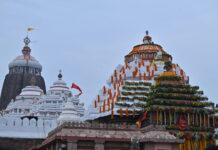
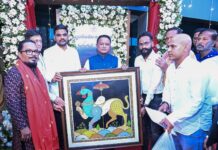
Religious and cultural practices are equally central to Odia Asmita. The veneration of Lord Jagannath and the annual Rath Yatra symbolize spiritual identity, unity, and inclusiveness. The Jagannath culture promotes principles of equality and universal brotherhood, while traditional art forms such as Odissi dance, Pattachitra painting, and the architectural marvels of temples like the Konark Sun Temple reflect Odia creativity and pride.
The legacy of the Kalinga Empire, maritime trade with Southeast Asia, and historical events such as the Kalinga War – which transformed Emperor Ashoka – contribute to a shared sense of historical significance. Festivals like Bali Jatra commemorate these achievements, further sustaining Odia pride.
Odia Asmita also reflects the resilience of the people in preserving their identity in the face of natural calamities, economic challenges, and the pressures of globalization. The traditions of Odisha’s tribal communities add richness and diversity to this identity, underscoring the inclusive nature of Odia pride. Literature, cinema, music, and sports continue to enhance the cultural narrative, with figures like Fakir Mohan Senapati championing the Odia language and identity. Even the Odia diaspora sustains this connection through cultural events like Rath Yatra and Odia Divas.
However, challenges persist. Globalization, migration, and the dominance of other languages, such as English and Hindi, threaten the preservation of Odia Asmita. Initiatives to educate younger generations in Odia, as well as efforts to digitize and promote Odia literature, aim to address these concerns. Cultural events such as Utkal Divas (Odisha Day) and Bali Jatra serve as platforms for public expressions of Odia pride, reinforcing its social and cultural significance.
Odia Asmita is also politically significant. It has historically been a unifying concept, especially during campaigns to establish Odisha as a separate state. In contemporary times, it has been invoked in political discourse, such as the 2024 Odisha Assembly election, where the BJP emphasized Odia Asmita to rally voters around the preservation of language, culture, and local governance. Political leaders have linked Odia Asmita to sustainable development, resource protection, and self-determination, though debates persist about the authenticity and inclusivity of these claims.
The Odisha government has launched initiatives like the Odia Asmita Corpus Fund to support and revitalize the Odia language, literature, classical music and dance (Odissi), painting, sculpture, and crafts such as Pattachitra. These efforts aim to safeguard and promote cultural pride both within Odisha and among global Odia communities. Social media has amplified these discussions, enabling grassroots voices, activists, and citizens to participate actively, often influencing mainstream media coverage and public opinion.
Cultural expressions of Odia Asmita extend beyond formal arts to daily life – from home-cooked meals and handloom traditions to folk stories and the natural beauty of Odisha. Modern popular culture, including Odia music and cinema, continues to reinforce pride and identity in everyday experiences.
Odia Asmita signifies the pride, self-respect, and shared consciousness of the Odia community. It encompasses language, culture, history, spirituality, and social values while serving as both a cultural rallying point and a political idea. Its inclusive, pluralistic nature ensures that it remains relevant, even as Odisha navigates contemporary challenges and aspirations.
As a concept, Odia Asmita persists and ought to persist, inspiring, uniting, and guiding the people of Odisha in their efforts to preserve their heritage while also shaping their future.
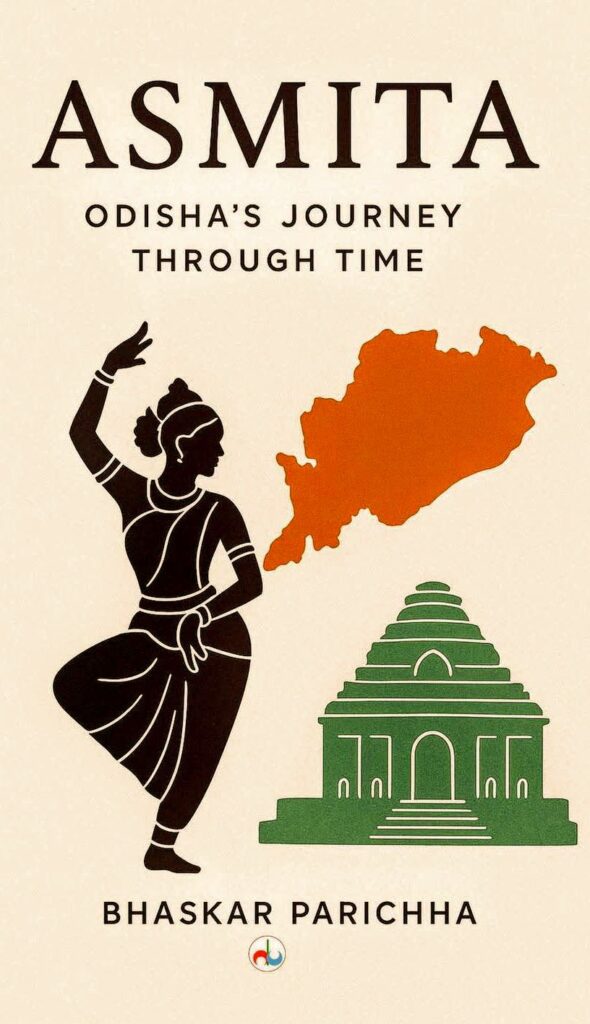
(Excerpted from the book ‘Asmita: Odisha’s Journey through Time’ by Bhaskar Parichha with permission from the publisher Dhauli Books. The author is a senior journalist and columnist. Views expressed are personal.)