






















As schools shut, children in tribal Odisha found a way to keep going, and caring
OdishaPlus Bureau
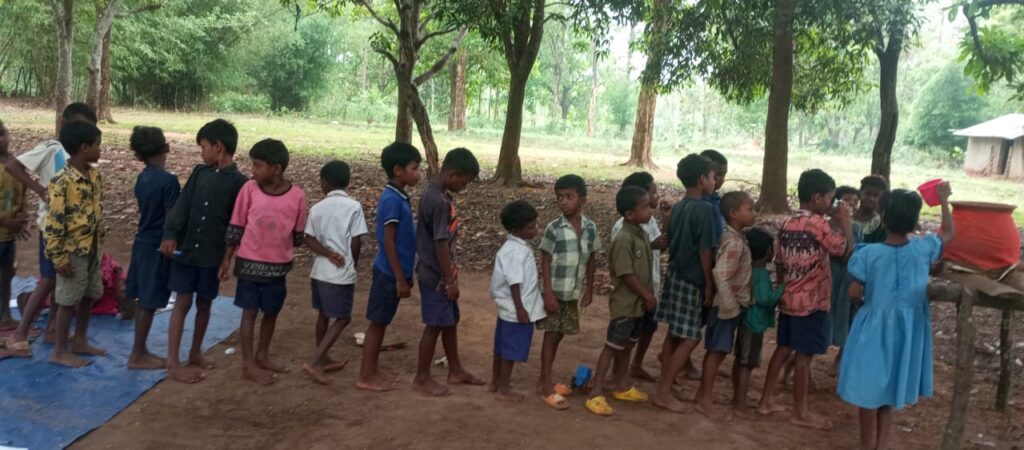
At exactly 8 am, a bell rings inside a modest learning centre in Ranipokhari Gram Panchayat of Odisha’s Mayurbhanj district.
The children know what it means.
Within moments, notebooks are set aside and eager lines begin forming around earthen pots filled with drinking water. The bell is not announcing the end of a lesson or the start of another class. It is a “Water Bell” — a simple reminder for children to pause and drink water
On particularly hot days, many do not even wait for it.
“The Water Bell reminds us to drink water regularly. But when it gets very hot, many of us line up even before it rings,” says Mini Sidhu, a Class 4 student with a smile. “Having water available at the centre helps us feel comfortable and concentrate on our studies.”
In a summer defined by soaring temperatures, that daily ritual has become an important part of life for hundreds of children in these villages.
The summer of 2026 has been unforgiving.
Across the country, temperatures have soared as heatwave conditions gripped several states. Scientists have pointed to the influence of the Super El Niño phenomenon, alongside the larger realities of climate change, as factors contributing to the intense and prolonged heat. Odisha, too, found itself battling extreme temperatures, forcing the School and Mass Education Department to temporarily shut schools to keep children safe.
For many children, school closures meant a welcome break from routine.
But in the remote tribal villages like Ranipokhari in Mayurbhanj district’s Kaptipada block, there was another concern. In the past, long breaks have often led children to gradually drift away from studies. Some travel with their families, while others spend their days outdoors. By the time schools reopen, many have lost the rhythm of learning.
That was a risk Sikshasandhan, with support from CRY, was determined to avoid.
So, while schools remained closed, learning quietly continued.
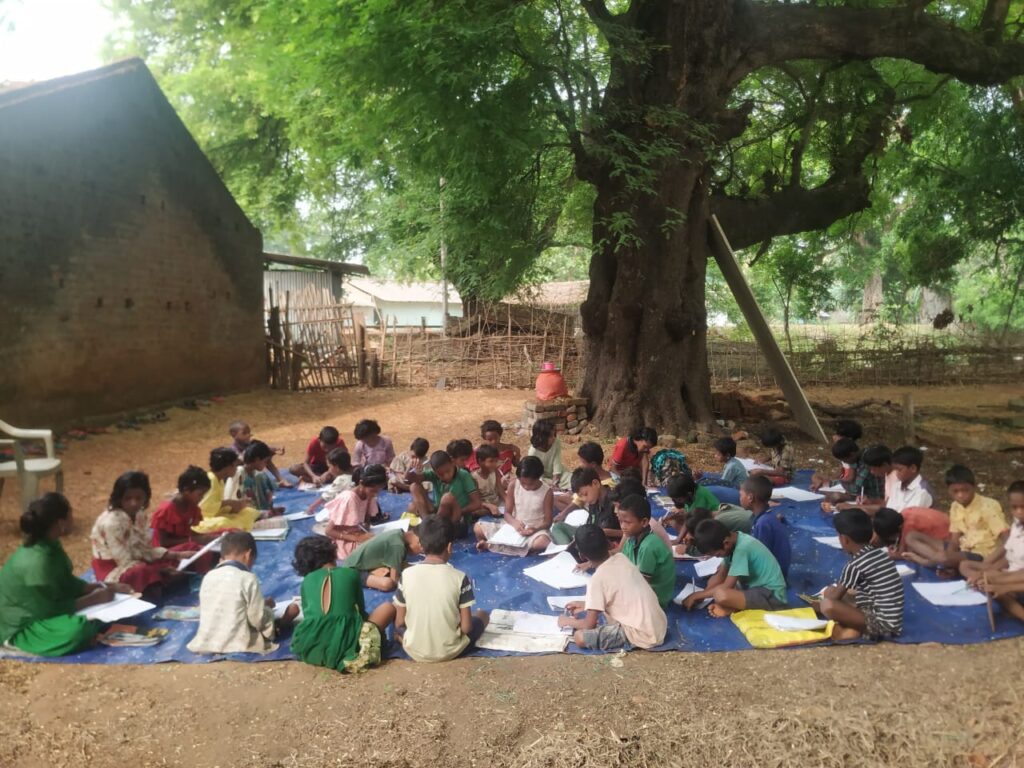
Every morning, long before the sun began to blaze, children could be seen making their way to six learning centres spread across Hesalgutu, Rajatnagar, Domuhani, Lambuasahi, Ghantiabeda and Ranipokhari villages. Classes began at 6:30 am and ended by 9:00 am, allowing children to study during the coolest part of the day.
Nearly 300 children attended these sessions regularly.
The centres soon became more than just places of learning. They became safe spaces where children could escape the worst effects of the heat while staying connected to their studies and to one another.
Teachers quickly noticed that the rising temperatures were taking a toll. Children arrived thirsty and exhausted after walking in the morning heat. To help them stay healthy, earthen pots filled with drinking water were placed at each centre.
What began as a practical response to the heat slowly evolved into something much deeper.
The children started talking about how difficult the summer must be not just for them, but for the animals and birds around them.
After all, if they felt thirsty, they could ask their teachers for water.
Who would the animals ask? The question lingered.
Soon, the children came up with a solution of their own.
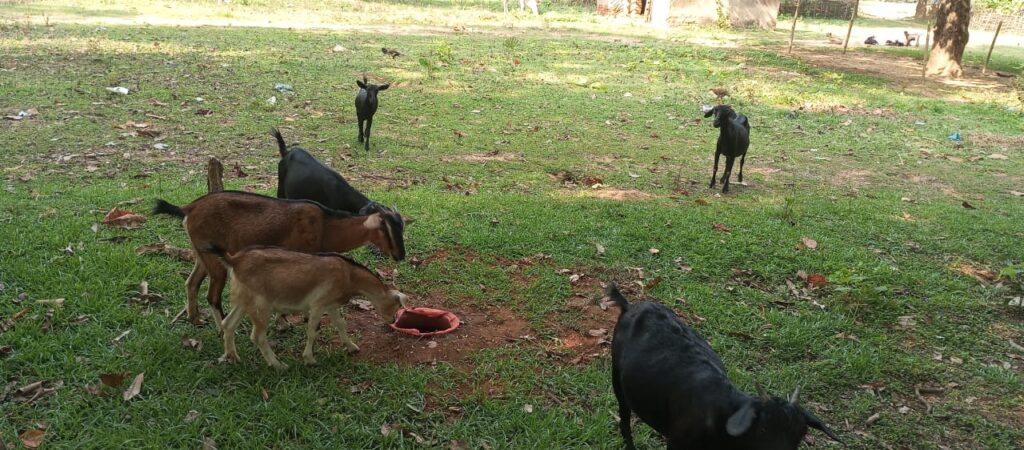
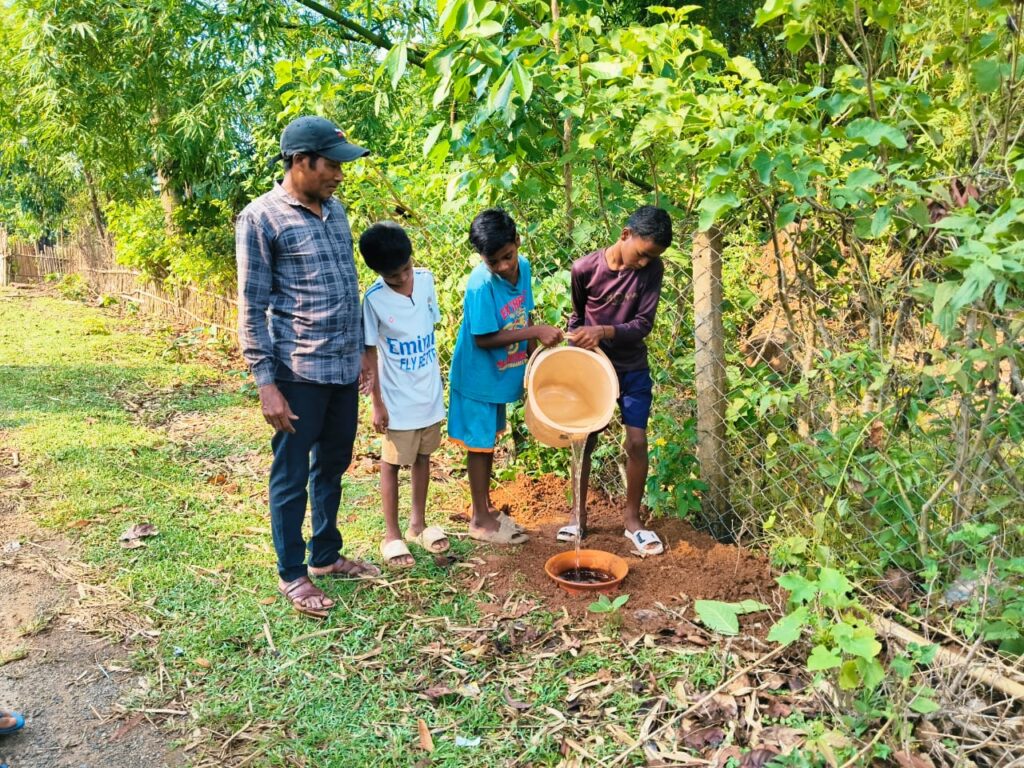
With support from their teachers, they began placing earthen pots filled with clean water in different parts of the village. Birds perched nearby. Cows and goats stopped for a drink. Small acts of care began appearing in corners of the community.
Rohit Kalundia, another Class 4 student, remembers how the idea took shape. “We can ask our teachers for water when we are thirsty, but animals cannot,” he says. “So we placed water pots outside for birds and animals. It is a small thing, but it helps them during the heat.”
The gesture may have been simple, but it left a lasting impression on the community.
According to the Sikshasandhan team, the initiative grew organically from the children’s own observations. “Because of the extreme heat and the long summer vacation, we shifted the learning centre timings to cooler morning hours. We also placed earthen pots at the centres and regularly encouraged children to drink water. What touched us most was how the children themselves suggested doing something similar for animals and birds. It became a wonderful example of learning extending beyond the classroom,” says project coordinator Amar Ranjan Bhoi.
In a season dominated by stories of record temperatures and climate anxiety, what unfolded in Ranipokhari offered a different perspective.
The programme ensured that children did not lose touch with education despite school closures. At the same time, it helped them develop healthy habits, understand the importance of hydration, and discover what it means to care for others.
For Trina Chakrabarti, Regional Director, CRY (East), this is particularly significant.
“Children are often among the first to feel the impact of climate-related disruptions, whether through school closures, health risks or loss of opportunities to learn. What is encouraging about this initiative is that it responded to those challenges in a practical way while also nurturing empathy and responsibility among children. The fact that the children chose to extend care to animals and birds shows how powerful such community-led efforts can be,” says Chakrabarti.
As India continues to confront longer and more intense summers, communities will increasingly need local solutions that protect children’s wellbeing without compromising their education.
In six villages of Mayurbhanj, that solution arrived before sunrise.
It looked like children carrying notebooks in the cool morning air.
It sounded like a bell reminding them to drink water.
And it felt like a group of young boys and girls deciding that if they had access to water during a heatwave, the birds and animals around them should too.