
















A Keonjhar incident exposes gaps in governance, financial inclusion, and empathy. Why rules without compassion fail Odisha’s most vulnerable communities
Bhaskar Parichha
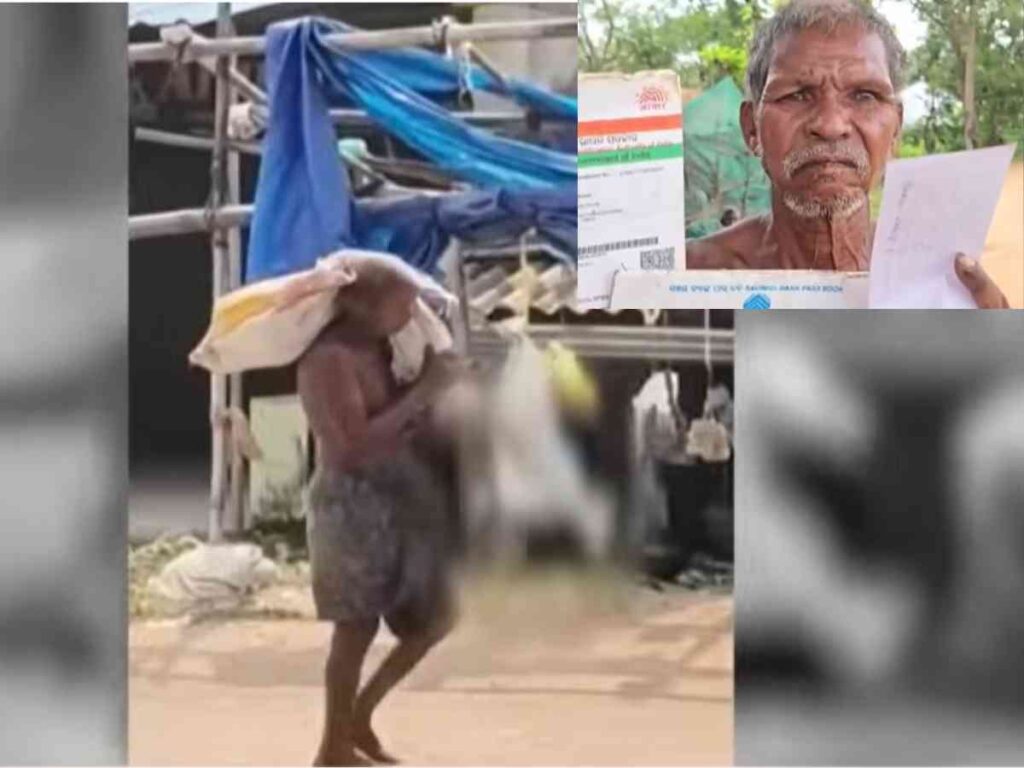
The image from Odisha’s Keonjhar district is haunting: a tribal man walking to a bank carrying his dead sister’s skeletal remains to prove she had indeed passed away. His purpose was painfully simple. He wanted to withdraw around Rs 19,000 from her account for urgent family needs. That such a desperate act was required should shake the conscience of the system.
For the man, repeated visits to the bank had reportedly yielded the same response: Produce proof of death. In many remote tribal regions, obtaining a formal death certificate is neither simple nor quick. Deaths often occur at home, registration systems remain weak and families are left navigating unfamiliar procedures without guidance. What should have been a humane administrative verification turned into public humiliation.
The bank has clarified that only standard documents were sought and that the matter has since been resolved. But such explanations do little to address the larger moral question of why the poorest citizens must perform extraordinary acts of distress to access their own money. Odisha saw such a moment in 2016, too, when Dana Majhi walked nearly 10 km, carrying the body of his wife, Amang Dei, on his shoulders after allegedly being denied an ambulance.
That image too shocked the nation, triggering outrage and official promises of reform. A decade later, the recurrence of such an episode points to a deeper failure. Systems designed for efficiency and accountability end up becoming inaccessible to those they are meant to serve.
Rules are necessary, but when applied without empathy, they harden into barriers. Financial inclusion cannot be reduced to the opening of accounts. It must ensure dignity in withdrawal, access, and grievance redress. Similarly, public health services cannot end at treatment. They must extend humane support in death.
(The author is a senior journalist and columnist. Views expressed are personal.)